

Meta Description: Discover how digital banking is transforming the financial industry in 2026. Learn about the benefits, risks, emerging technologies, and future trends shaping the future of banking worldwide.
Focus Keyword: Digital Banking Trends 2026
Introduction: The Bank Branch Is Moving Into Your Pocket
Not long ago, banking meant visiting a physical branch, standing in queues, filling out paperwork, and waiting days for transactions to be processed. Whether depositing a check, applying for a loan, or transferring money, nearly every financial activity required face-to-face interaction with a bank representative.
That reality is rapidly disappearing.
In 2026, digital banking has become the preferred way millions of people manage their finances. Smartphones have effectively replaced traditional bank branches for everyday transactions. Customers can open accounts, transfer funds, apply for loans, invest money, pay bills, and even receive personalized financial advice—all without stepping inside a bank.
The transformation is not merely technological; it is fundamentally changing how consumers interact with money. Banks are evolving from physical institutions into digital platforms powered by artificial intelligence, cloud computing, biometric authentication, and real-time data analytics.
The numbers illustrate the scale of this shift. Global digital banking adoption continues to rise as consumers increasingly prioritize convenience, speed, accessibility, and personalized financial services. Traditional banks are investing billions of dollars into digital transformation initiatives, while digital-only banks continue attracting younger, tech-savvy customers.
What began as online banking has evolved into a comprehensive digital financial ecosystem that is redefining the future of financial services.
Digital Banking by the Numbers
Billions of Users
Digital banking platforms now serve billions of customers worldwide.
24/7 Access
Customers can manage finances anytime without branch limitations.
Seconds Instead of Days
Many transactions that once took days are now completed instantly.
AI-Powered Experiences
Artificial intelligence is increasingly driving customer support, fraud detection, and financial recommendations.
These trends indicate that digital banking is no longer an alternative to traditional banking—it is becoming the primary banking experience.
What Is Digital Banking?
Digital banking refers to the delivery of banking services through electronic channels rather than physical branches.
Customers can access services through:
- Mobile banking apps
- Online banking portals
- Digital wallets
- Virtual banking platforms
- AI-powered banking assistants
Digital banking allows users to perform nearly all traditional banking functions remotely.
These services include:
- Account management
- Money transfers
- Bill payments
- Loan applications
- Investment management
- Savings tracking
- Financial planning
The goal is simple: make banking faster, easier, and more accessible.
Why Digital Banking Is Growing So Rapidly
Several factors have accelerated digital banking adoption worldwide.
Smartphone Penetration
Smartphones have become the primary gateway to financial services.
For many consumers, their first banking experience occurs through a mobile app rather than a branch.
Consumer Demand for Convenience
Modern customers expect instant service.
They want to:
- Transfer money immediately
- View balances in real time
- Access support 24/7
- Open accounts digitally
Digital banking fulfills these expectations.
Lower Operating Costs
Digital platforms reduce the need for expensive branch networks.
Banks can serve more customers while lowering operational expenses.
This efficiency often translates into:
- Lower fees
- Better interest rates
- Faster service delivery
Advances in Financial Technology
Innovations such as cloud computing, artificial intelligence, biometric security, and open banking have made digital financial services more reliable and secure.
Technology has become the foundation of modern banking.
Key Benefits of Digital Banking
The rise of digital banking is driven largely by the significant advantages it offers consumers.
1. Convenience and Accessibility
Perhaps the biggest benefit is convenience.
Customers can perform banking activities from:
- Home
- Office
- School
- While traveling
Banking is available around the clock.
There is no need to wait for branch operating hours.
For people living in remote areas, digital banking can provide financial access that traditional branches cannot.
2. Faster Transactions
Traditional banking processes often involved delays.
Digital banking enables:
- Instant transfers
- Real-time notifications
- Immediate account updates
- Faster loan processing
Speed improves customer satisfaction and financial efficiency.
3. Lower Fees
Digital-first banks often operate with lower costs than traditional institutions.
As a result, customers may benefit from:
- Reduced account fees
- Free transfers
- Higher savings rates
- Lower service charges
Cost efficiency has become a major competitive advantage.
4. Better Financial Insights
Modern digital banking platforms provide advanced analytics.
Customers can track:
- Spending habits
- Savings goals
- Cash flow trends
- Investment performance
Many platforms use AI to provide personalized recommendations.
Instead of simply displaying transactions, digital banking increasingly helps customers understand their financial behavior.
5. Financial Inclusion
One of the most important social benefits of digital banking is increased financial inclusion.
Millions of individuals who previously lacked access to traditional banking can now participate in the financial system through mobile devices.
This expands opportunities for:
- Saving
- Investing
- Borrowing
- Entrepreneurship
Digital banking is helping bridge financial access gaps around the world.
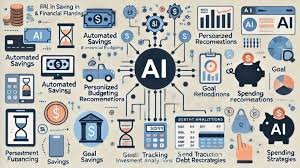
Artificial Intelligence Is Transforming Digital Banking
AI has become one of the most powerful drivers of banking innovation.
Modern banks use AI for:
Fraud Detection
AI monitors transactions in real time and identifies suspicious activity.
Personalized Financial Advice
AI-powered systems analyze customer behavior and recommend actions.
Customer Service
Virtual assistants resolve many banking inquiries instantly.
Credit Risk Assessment
AI evaluates loan applications using advanced data analysis.
Predictive Financial Planning
Customers receive forecasts and budgeting recommendations before problems occur.
AI is moving banking from reactive service to proactive financial guidance.
The Rise of Digital-Only Banks
Digital-only banks, often called neobanks, have become major competitors to traditional institutions.
Unlike conventional banks, they operate entirely online.
Advantages include:
- Faster account opening
- Lower fees
- User-friendly apps
- Innovative features
These banks are particularly popular among younger consumers who prioritize digital experiences.
Traditional banks are responding by accelerating their own digital transformation efforts.
The Risks of Digital Banking
Despite its many advantages, digital banking also presents important challenges.
Understanding these risks is essential for both consumers and financial institutions.
1. Cybersecurity Threats
As banking becomes more digital, cybercriminals gain new opportunities.
Common threats include:
- Phishing attacks
- Malware
- Account takeovers
- Data breaches
- Identity theft
Financial institutions invest heavily in cybersecurity, but risks remain.
Users must also adopt safe online practices.
2. Privacy Concerns
Digital banking generates vast amounts of customer data.
This includes:
- Transaction history
- Location data
- Spending patterns
- Behavioral information
While this data enables personalization, it also raises concerns about:
- Data sharing
- Surveillance
- Third-party access
- Regulatory compliance
Consumers increasingly demand greater transparency regarding how their data is used.
3. Technology Dependence
Digital banking relies heavily on technology infrastructure.
System outages can temporarily disrupt:
- Payments
- Transfers
- Account access
As financial services become more interconnected, operational resilience becomes increasingly important.
4. Digital Exclusion
Not everyone has equal access to technology.
Challenges may include:
- Limited internet connectivity
- Low digital literacy
- Lack of smartphone access
Banks must ensure digital transformation does not exclude vulnerable populations.
5. Sophisticated Financial Fraud
Fraudsters are using advanced technologies, including AI, to create more convincing scams.
Examples include:
- Deepfake voice fraud
- Fake banking websites
- AI-generated phishing emails
- Social engineering attacks
As criminals become more sophisticated, security measures must evolve continuously.
Digital Banking vs. Traditional Banking
| Feature | Traditional Banking | Digital Banking |
|---|---|---|
| Branch Visits | Often required | Rarely needed |
| Availability | Limited hours | 24/7 access |
| Transaction Speed | Slower | Faster |
| Operating Costs | Higher | Lower |
| Customer Experience | Branch-focused | Mobile-first |
| Account Opening | Paperwork-heavy | Digital onboarding |
| Financial Insights | Basic statements | AI-powered analytics |
| Scalability | Limited by branches | Highly scalable |
The future of banking is increasingly digital, but many institutions will continue operating hybrid models.
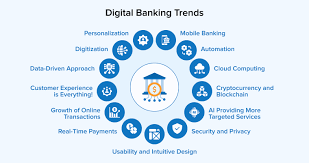
Future Trends Shaping Digital Banking in 2026 and Beyond
The next phase of banking innovation is already underway.
Agentic AI Banking
AI systems are evolving from assistants into autonomous financial agents.
Future AI tools may:
- Optimize savings automatically
- Manage subscriptions
- Recommend investments
- Monitor financial health continuously
Banking will become increasingly proactive.
Biometric Authentication
Passwords are gradually being supplemented or replaced by:
- Fingerprint recognition
- Facial recognition
- Behavioral biometrics
- Voice authentication
Security is becoming more seamless and continuous.
Embedded Finance
Financial services are increasingly integrated into non-financial platforms.
Examples include:
- Buy-now-pay-later services
- In-app banking
- Embedded lending
- E-commerce financial solutions
Banking is moving closer to the point of customer activity.
Open Banking Expansion
Open banking allows customers to securely share financial data between institutions.
Benefits include:
- Better financial products
- Increased competition
- Personalized services
- Improved customer control
Open banking is expected to continue expanding globally.
Sustainable and Green Banking
Consumers increasingly want financial institutions to support environmental and social goals.
Digital banking platforms are beginning to provide:
- Sustainability tracking
- Green investment options
- Carbon footprint insights
Financial decisions are becoming more values-driven.
What Consumers Should Look for in a Digital Bank
Choosing a digital banking platform requires careful evaluation.
Key factors include:
Security Features
Look for multi-factor authentication, encryption, and fraud protection.
Fee Structure
Understand account fees, transfer fees, and service charges.
User Experience
A reliable and intuitive mobile app improves daily banking.
Customer Support
Ensure assistance is available when needed.
Regulatory Protection
Verify that the institution operates under recognized financial regulations.
Innovation
Platforms that continually improve their services often provide greater long-term value.
Key Takeaways
- Digital banking has transformed financial services by making banking more accessible, convenient, and efficient.
- Mobile devices have become the primary gateway to banking for millions of consumers.
- AI is improving fraud detection, customer support, and personalized financial management.
- Digital-only banks are reshaping competition within the financial industry.
- Financial inclusion is one of the most significant benefits of digital banking.
- Cybersecurity, privacy, and fraud remain major challenges.
- Biometric authentication and agentic AI are expected to play larger roles in future banking systems.
- Open banking and embedded finance are expanding the boundaries of traditional financial services.
- Consumers should evaluate security, transparency, and regulatory compliance when choosing digital banking providers.
- The future of banking will likely combine technology, personalization, and automation at unprecedented levels.
Conclusion: Banking Is Becoming a Digital Experience, Not a Physical Place
The rise of digital banking represents one of the most significant transformations in the history of financial services.
What was once a branch-based industry is rapidly evolving into a technology-driven ecosystem centered around convenience, accessibility, and intelligent automation. Consumers can now manage virtually every aspect of their financial lives through smartphones and digital platforms, while banks leverage artificial intelligence and advanced analytics to deliver faster, smarter, and more personalized services.
Yet the future of digital banking is about more than technology alone. Trust, security, transparency, and financial inclusion will remain critical factors determining which institutions succeed. The banks that combine innovation with strong customer protection will be best positioned to thrive in the coming decade.
For consumers, digital banking offers unprecedented control over money management. For financial institutions, it presents both enormous opportunities and significant responsibilities.
One thing is clear: the future of banking is not a building. It is a connected, intelligent, and increasingly digital experience that travels with us wherever we go.
Disclaimer: This article is for informational and educational purposes only and should not be considered financial, banking, or investment advice. Always review the terms, conditions, and regulatory protections offered by financial institutions before opening accounts or using financial services.
Tags: Digital Banking 2026 · Online Banking Trends · Mobile Banking Future · AI in Banking · Digital Financial Services · Neobanks · Open Banking · Banking Technology Trends · Financial Innovation · Future of Banking