

Meta Description: Learn how inflation impacts your savings in 2026 and discover practical strategies to protect your money. Understand purchasing power, real returns, inflation-resistant investments, and smart financial planning techniques.
Focus Keyword: How Inflation Affects Your Savings
Introduction: Your Money May Be Losing Value Even When Your Bank Balance Is Growing
Imagine depositing $10,000 into a savings account and leaving it untouched for several years. When you check your balance later, you discover that the amount has grown. At first glance, this seems like a financial success.
But there is a hidden problem.
What if the prices of food, housing, transportation, healthcare, and everyday necessities increased faster than your savings grew?
In that situation, your account balance may be higher, but your money’s purchasing power has actually declined.
This is the silent effect of inflation.
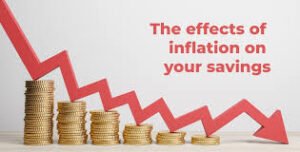
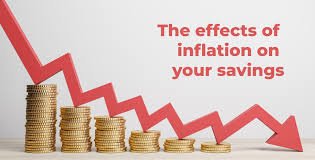
Inflation is one of the most powerful forces influencing personal finances, yet many people underestimate its impact. Unlike a market crash or a sudden financial emergency, inflation works gradually. It quietly reduces the value of cash over time, making it more expensive to maintain the same lifestyle.
In 2026, understanding inflation has become increasingly important for savers, investors, retirees, and young professionals alike. Rising living costs, changing interest rates, and economic uncertainty have made inflation a major factor in financial planning decisions.
The key question is no longer simply “How much money am I saving?”
It is also “Is my money growing faster than inflation?”
Understanding the answer could significantly affect your long-term financial future.
What Is Inflation?
Inflation refers to the general increase in prices over time.
When inflation occurs:
- Food becomes more expensive.
- Housing costs rise.
- Transportation costs increase.
- Healthcare expenses grow.
- Everyday goods require more money to purchase.
As prices rise, each unit of currency buys fewer goods and services.
This reduction in purchasing power is the primary effect of inflation.
Simply put:
Inflation means your money gradually loses value unless it grows at a faster rate than prices increase.
Inflation by the Numbers
2%–3% Inflation
Often considered manageable in many economies.
5%+ Inflation
Can significantly impact purchasing power over time.
10+ Years
Even moderate inflation can substantially reduce the value of cash savings over a decade.
Long-Term Impact
Small annual inflation rates compound just like investment returns.
This compounding effect is why inflation deserves serious attention.
Understanding Purchasing Power
Purchasing power measures what your money can actually buy.
Consider a simple example:
In one year:
- A grocery basket costs $100.
Several years later:
- The same basket costs $120.
Your money now purchases less than before.
Even if your income remains unchanged, your effective buying power declines.
The true value of money is determined not by the number printed on a bank statement but by what that money can purchase.
This is why economists often focus on purchasing power rather than nominal amounts.
The Hidden Cost of Keeping Too Much Cash
Many people believe keeping money entirely in cash is the safest strategy.
While cash provides liquidity and stability, it also faces a major challenge:
Inflation.
Suppose inflation averages 4% annually.
If your savings account earns only 1%, your real purchasing power is shrinking.
The difference between inflation and your return determines whether your money is truly growing.
Over time, this gap can become substantial.
Cash remains important for emergency funds and short-term goals, but relying exclusively on cash can expose savings to inflation risk.
Nominal Return vs. Real Return
One of the most important concepts in personal finance is understanding the difference between nominal returns and real returns.
Nominal Return
The percentage growth of your investment or savings before inflation.
Real Return
The actual growth after accounting for inflation.
The relationship can be visualized through:
\text{Real Return} \approx \text{Nominal Return} – \text{Inflation Rate}
For example:
- Savings growth: 5%
- Inflation: 3%
Real return:
- Approximately 2%
This means purchasing power increased by only 2%, not 5%.
Understanding real returns helps investors make better financial decisions.
Why Inflation Is Particularly Dangerous for Savers
Inflation affects everyone, but savers often feel its impact most directly.
Several reasons explain why.
1. Reduced Purchasing Power
The most obvious effect is declining buying power.
The same amount of money buys fewer goods and services over time.
2. Long-Term Erosion
Inflation compounds.
A small annual rate may appear insignificant, but decades of inflation can dramatically reduce purchasing power.
3. Retirement Challenges
Retirees often rely on fixed savings.
If living costs rise faster than retirement income, maintaining financial security becomes more difficult.
4. Goal Inflation
Future financial goals become more expensive.
Examples include:
- Home purchases
- Education costs
- Healthcare expenses
- Retirement needs
Many people underestimate how much these costs may increase over time.
Assets That Historically Help Fight Inflation
Not all financial assets respond to inflation in the same way.
Certain investments have historically provided better protection than cash alone.
1. Stocks
Businesses can often increase prices as costs rise.
Over long periods, stock markets have historically outpaced inflation.
Benefits include:
- Growth potential
- Dividend income
- Long-term wealth creation
Stocks remain one of the most widely used inflation-fighting assets.
2. ETFs and Index Funds
Diversified investment funds provide exposure to broad markets.
Advantages include:
- Diversification
- Lower costs
- Accessibility
- Long-term growth potential
Many investors use index funds as core inflation-resistant investments.
3. Real Estate
Property values and rental income often rise alongside inflation.
Benefits include:
- Income generation
- Appreciation potential
- Portfolio diversification
Real estate has long been considered an inflation-sensitive asset class.
4. Inflation-Protected Securities
Some governments issue securities specifically designed to adjust with inflation.
These investments aim to preserve purchasing power.
They can play a role in conservative portfolios.
5. Dividend-Paying Investments
Companies that consistently increase dividends may help offset rising living costs.
Growing income streams can support purchasing power over time.
Common Mistakes People Make During Inflation
Many individuals react emotionally rather than strategically.
Several mistakes are especially common.
Keeping Excessive Cash
Holding too much idle cash may increase purchasing-power risk.
Ignoring Investment Opportunities
Fear of market volatility sometimes prevents long-term wealth building.
Chasing Speculative Assets
Some investors pursue extremely risky opportunities hoping to beat inflation quickly.
This often creates additional financial risk.
Failing to Review Financial Plans
Inflation changes assumptions.
Financial goals should be updated periodically.
How Inflation Affects Different Age Groups
Inflation impacts individuals differently depending on life stage.
Students and Young Adults
Face rising education and living costs.
Working Professionals
Experience increased household expenses.
Families
Must manage higher costs across multiple categories.
Retirees
May face the greatest challenge because income is often less flexible.
Understanding personal circumstances helps determine appropriate strategies.
Smart Strategies to Protect Your Savings from Inflation
There is no single perfect solution.
However, several strategies can help.
Strategy 1: Maintain an Emergency Fund
Emergency savings remain essential.
The goal is balance—not eliminating cash entirely.
Strategy 2: Invest for Long-Term Growth
Long-term investing can help savings outpace inflation.
Diversified portfolios often provide greater growth potential than cash alone.
Strategy 3: Increase Financial Knowledge
Understanding economic conditions improves decision-making.
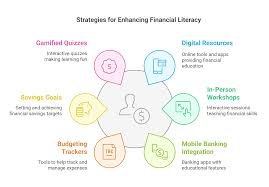
Financial literacy remains one of the best defenses against inflation.
Strategy 4: Diversify Assets
Diversification reduces reliance on any single asset class.
A balanced portfolio may include:
- Stocks
- Bonds
- Real estate
- Cash reserves
Diversification supports resilience.
Strategy 5: Increase Income Potential
Inflation affects expenses, but income can grow as well.
Examples include:
- Skill development
- Career advancement
- Side businesses
- Freelancing
- Multiple income streams
Growing earnings can help offset rising costs.
Inflation vs. Savings Strategies
| Strategy | Inflation Protection Potential |
|---|---|
| Cash Savings Only | Low |
| Basic Savings Account | Low to Moderate |
| Dividend Investing | Moderate to High |
| Index Funds | High (Long-Term) |
| Stocks | High (Long-Term) |
| Real Estate | Moderate to High |
| Inflation-Protected Securities | Moderate |
| Diversified Portfolio | High |
The most effective approach often combines multiple strategies.
Future Inflation Trends in 2026 and Beyond
Several developments continue influencing inflation worldwide.
Global Supply Chains
Supply disruptions can affect prices.
Technology and AI
Automation may improve efficiency and reduce certain costs.
Demographic Changes
Population shifts influence labor markets and demand.
Energy Markets
Energy prices continue affecting broader inflation trends.
Government Policies
Fiscal and monetary policies remain major drivers of inflation dynamics.
Understanding these factors helps individuals make more informed financial decisions.
Key Takeaways
- Inflation reduces purchasing power over time.
- Growing account balances do not always mean growing wealth.
- Real returns matter more than nominal returns.
- Excessive cash holdings may struggle to keep pace with inflation.
- Stocks, ETFs, and real estate have historically provided inflation protection.
- Diversification remains an important risk-management strategy.
- Inflation can significantly impact retirement planning and long-term goals.
- Financial literacy helps individuals respond more effectively to inflation.
- Increasing income can offset rising living costs.
- Successful financial planning focuses on preserving and growing purchasing power.
Conclusion: The Goal Is Not Just Saving Money—It’s Preserving Its Value
Saving money is an important financial habit, but saving alone is not enough.
The true objective is maintaining and increasing purchasing power over time. Inflation continuously challenges that goal by gradually reducing the value of cash. Left unchecked, it can undermine savings, delay financial goals, and create unexpected financial pressure.
Fortunately, inflation is not an unavoidable financial threat. Individuals who understand how inflation works can take practical steps to protect themselves. Building diversified portfolios, investing for long-term growth, maintaining emergency reserves, improving financial knowledge, and increasing earning potential all contribute to stronger financial resilience.
The most successful savers in 2026 are not simply accumulating money. They are actively ensuring that their money continues working for them and keeping pace with a changing economic environment.
Because in the long run, financial success is measured not by how much money you have—but by what that money can actually do for you.
Disclaimer: This article is for educational and informational purposes only and should not be considered financial, investment, tax, or legal advice. Economic conditions and inflation rates vary by country and over time. Consult qualified financial professionals before making major financial decisions.
Tags: Inflation and Savings · Personal Finance 2026 · Purchasing Power · Real Returns · Inflation Protection · Wealth Building Strategies · ETF Investing · Financial Planning · Saving Money Smartly · Inflation Investing Guide